Optimising Mineral Extraction for a Ceramics Company
Delivered in three phases—operational diagnostic, pilot build of a standardised mine planning + quarry management system (tools, manual, training), then national roll-out.
The Objective:
To improve mining management efficiency, reduce operating costs and implement a standardized operating model across the minerals extraction segment of their business.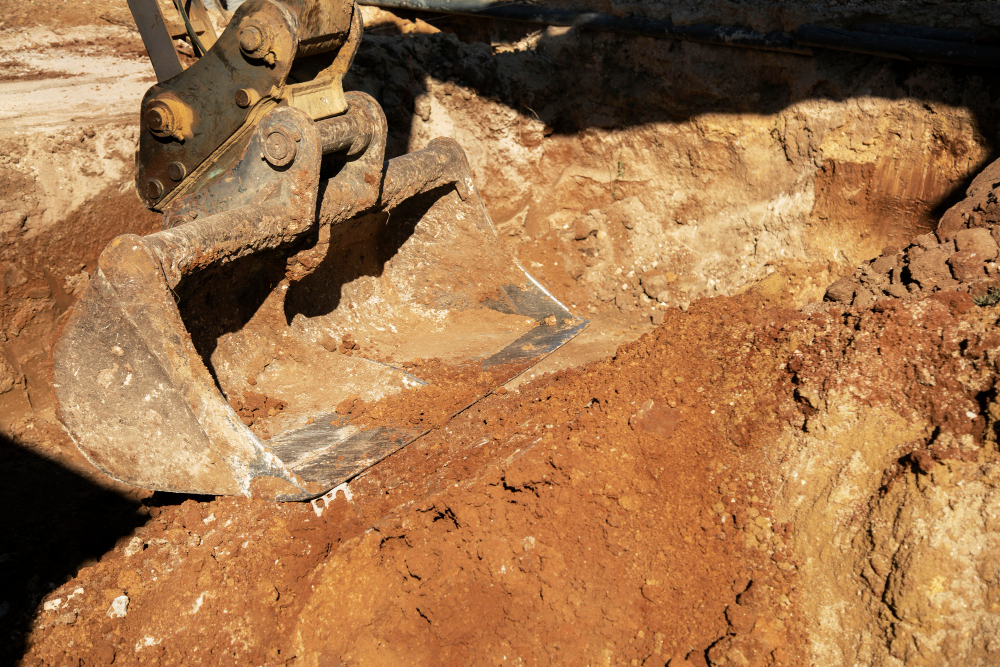

What We Delivered:
We assessed current site practices and quantified the sources of inefficiency, then designed and piloted a standardised Mine Planning Process and Quarry Management System, including practical tools, an operating manual and role-based training. With the model proven, we implemented benefit-driving actions and supported a national roll-out to embed consistent ways of working across the extraction business.The Results:
Process stabilisation and short-interval process control—embedded through the new operational model—delivered a 4% increase in recovery alongside a reduction in operating costs.A Standard Maintenance Model Across 25 Plants
Delivered in four stages: diagnostic, pilot, operating model + manual creation, then roll-out support across 25 plants.
The Objective:
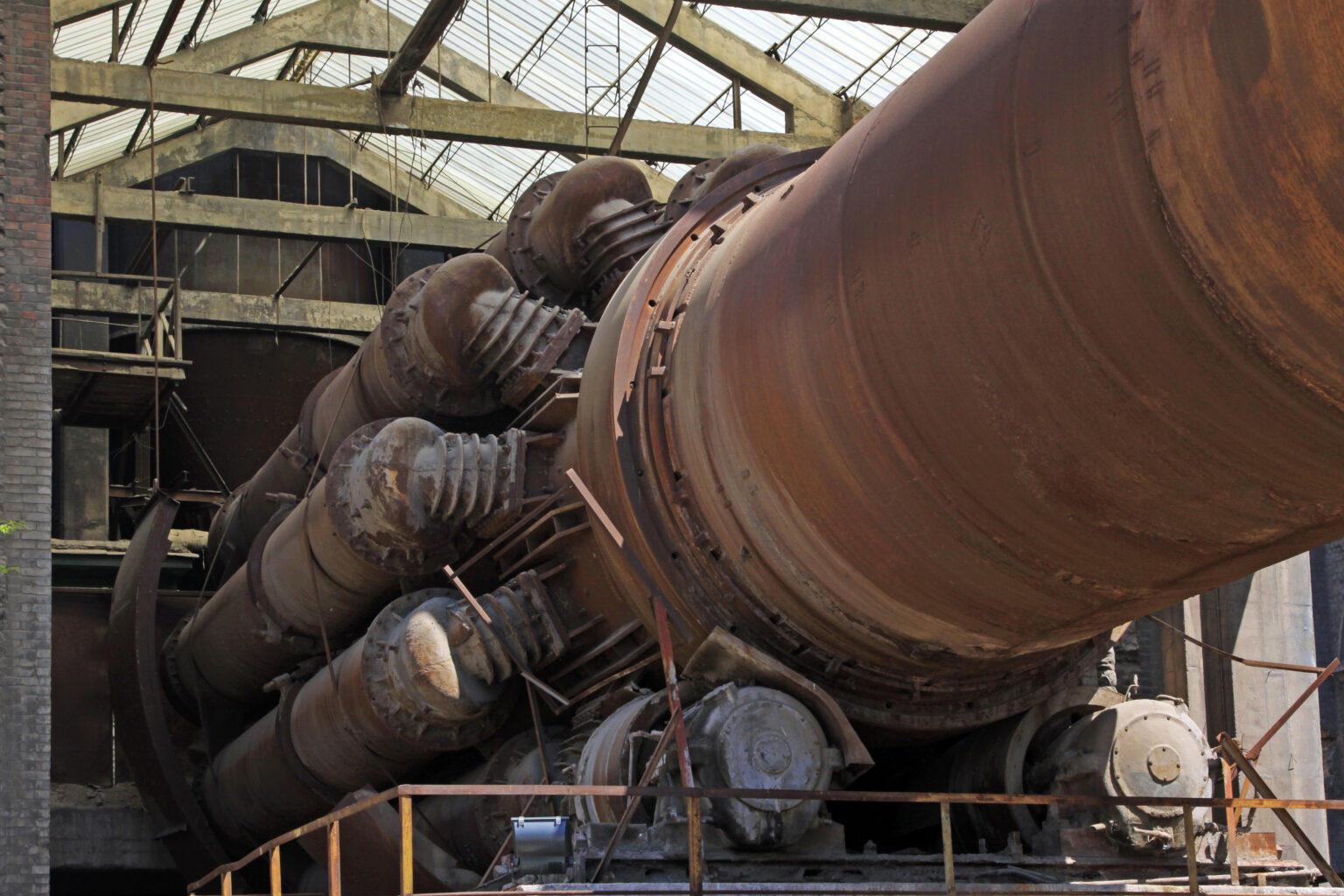
To increase reliability for half the plants, reduce operating costs for the remaining sites, and create and implement a standardized maintenance operating model and manual.How It Was Delivered:
We completed a structured diagnostic to establish performance gaps and cost drivers, then piloted the new maintenance ways of working across five plants to refine the model in real operating conditions. We produced a practical Operating Model Manual to standardise planning, execution and governance, and then supported the roll-out across the initial 25 plants to ensure adoption, consistency and measurable impact.
The Results:
Built on the “Right Maintenance at the Right Time” philosophy, the new maintenance operating model surfaced that around 60% of maintenance cost was concentrated in the annual shutdown and reshaped planning and decision-making accordingly. Designed with production’s input, the standardised model and manual established a consistent way of working to improve reliability where required and reduce operating cost elsewhere.Standardised Operating Model Development in Aggregates Production
Delivered end-to-end—integration assessment, interim model pilots (tools, manual, training), TOM finalisation and sign-off, then global roll-out across 16 locations.


The Objective:
To implement a new global mining Target Operating Model with the aim to improve management efficiency, increase value, and generate regional-level synergies.What We Delivered:
We assessed current integration and quantified the operating model inefficiencies limiting performance, then developed and piloted Interim Operating Models (IOM) supported by tools, a manual and targeted training. Following validation, we finalised the Target Operating Model (TOM), secured sign-off, and led the global roll-out approach to embed the new standards across the organisation.
The Results:
The programme mobilised all management levels, led by a Vice President and involving Operations, Finance, HR, IT, Mining, Land Management, Commercial and Procurement. The roll-out delivered financial benefits of around 7 to 16% of site turnover across 16 locations.
Lifting Nickel Recovery Through Tighter Process Control
Delivered through a focused operational analysis and an improvement programme targeting process control, frontline routines and maintenance-related recovery losses.
The Objective:
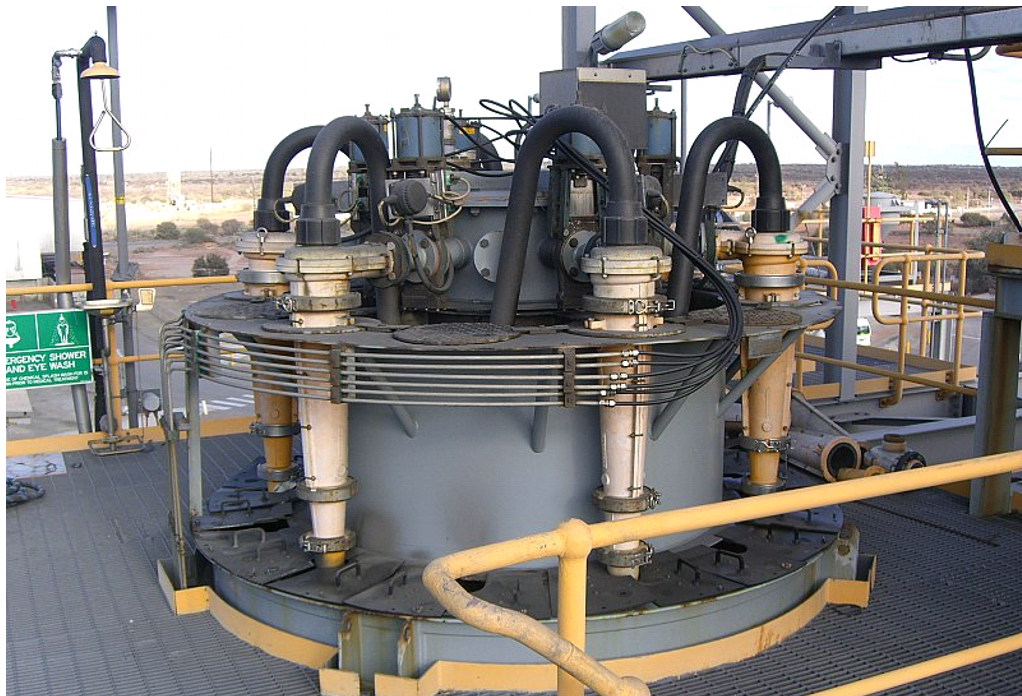
Increase the nickel recovery rate at the nickel mining and concentration operation.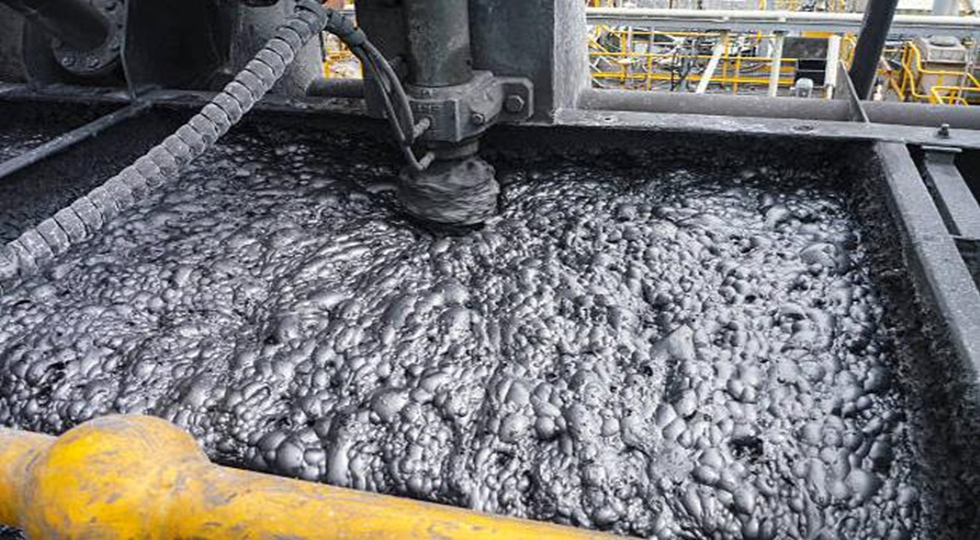
What We Did:
We analysed end-to-end operating performance to pinpoint where recovery was being lost, then set up tighter process management and short-interval control routines to stabilise the plant. In parallel, we addressed the behavioural and maintenance drivers behind recovery losses so the gains could be sustained in day-to-day operations.The Results:
With a stabilised process and short-interval control embedded into the operating model, the operation increased nickel recovery by 4%.Restoring Production Flow in a High-Volume Bakery
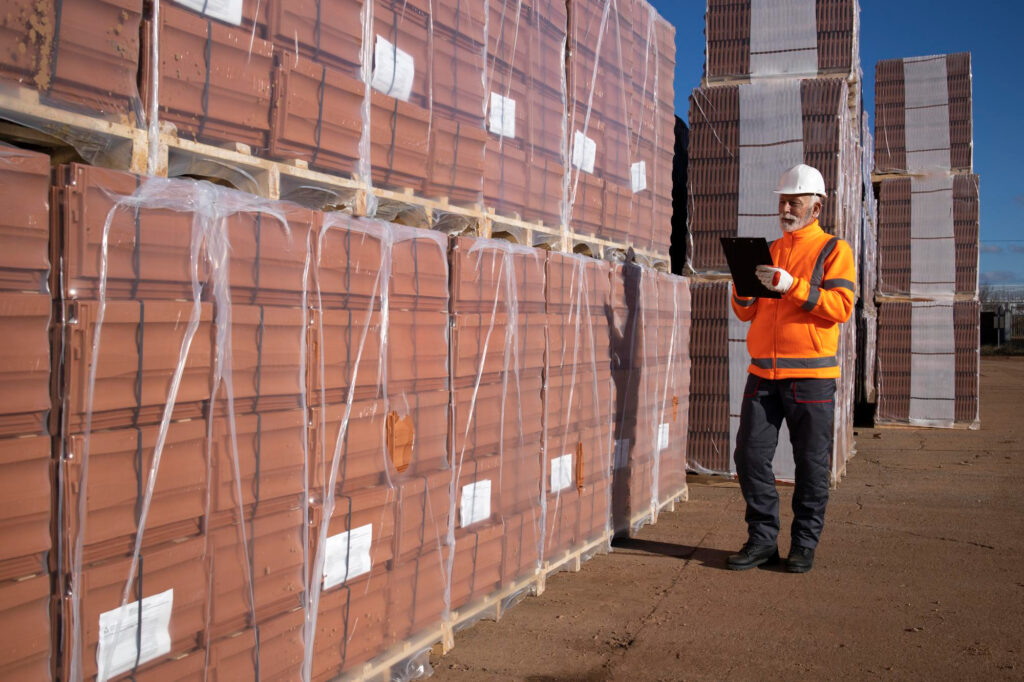
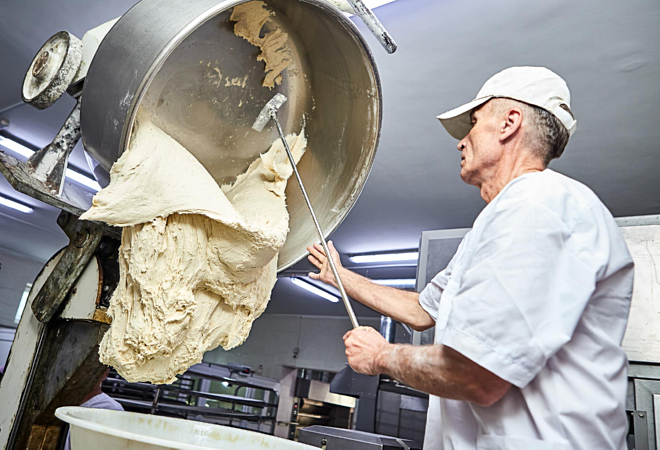
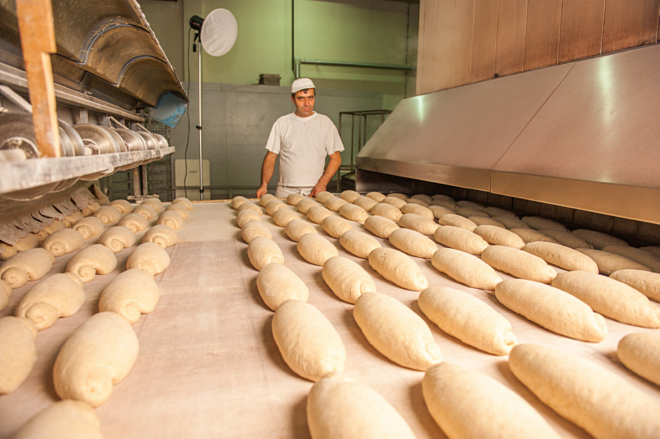
Delivered a flow-based operating model and planning system aligned to orders and equipment capacity across a 100-product, mass-production bakery.
The Objective:
To create a stable production flow, reduce waste, improve equipment utilisation, and strengthen workforce planning and daily execution.What We Delivered:
We mapped current production realities and defined what “good flow” looks like for a multi-product bakery environment. From there, we designed and implemented a practical management system for job planning and scheduling—built around customer orders, oven and equipment capacity, and clear sequencing rules to reduce last-minute changeovers. To sustain performance, we empowered teams to run their own improvement projects and introduced weekly and monthly improvement competitions to build ownership and momentum.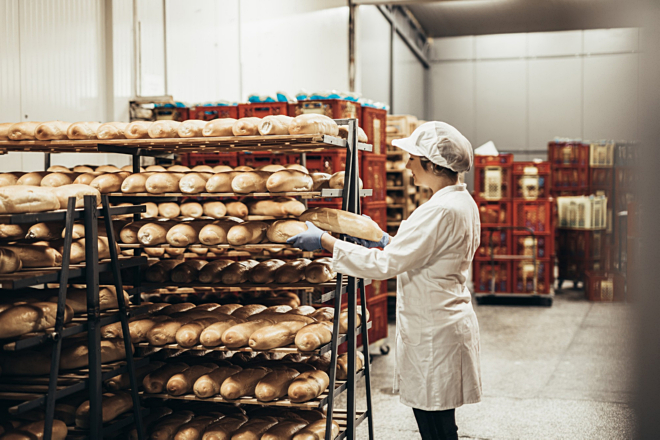
The Results:
Perished goods were reduced by 77% through improved planning and flow discipline. Equipment usage requirement clashes dropped by 95%, unlocking smoother execution and more consistent utilisation of ovens and key assets. Energy usage reduced as production became more stable and equipment was used more efficiently.
Supply Chain Transformation to Restore Critical Parts Availability
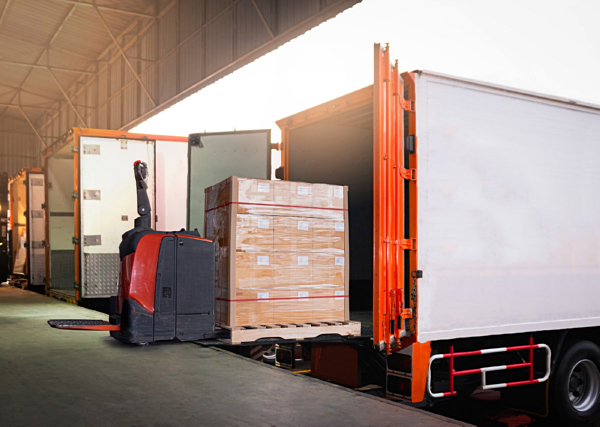
Implemented Demand Driven Planning and a new visual management system to stabilise parts flow and improve plant reliability.
The Objective:
To reduce critical parts stockouts, shorten planning response time, and improve plant and production reliability.
What We Delivered:
We replaced the failing min–max approach with Demand Driven Planning, redesigned end-to-end replenishment and decision processes, and introduced Visual Supply Management boards with flow-control meetings to tighten execution and accountability. A new management system embedded routines for demand sensing, prioritisation and rapid response, including alternative sourcing identification to protect production.The Results:
Stockouts fell from 19% to under 2% within seven months, supported by improved flow visibility and stronger collaboration with end users. Alternative sourcing items were identified to safeguard production, while overall stock reduced by 7%.Driving a Performance Culture Through a PMO and Targeted Improvement Initiatives
Built a capability-led PMO and launched cross-functional improvement projects to shift behaviour from silo/blame to performance and delivery.


The Objective:
To strengthen performance attitude and culture, break down silos, and unlock productivity through performance initiatives and behavioural & cultural change.What We Delivered:
We formed and trained a dedicated performance team to lead project control, then put all Heads of Department through accredited project management training followed by a second wave for additional volunteers. We designed the PMO structure and launched a portfolio of cross-functional performance initiatives, reviewed weekly with project managers reporting progress and removing blockers. As confidence grew, we enabled teams to create their own projects and supported delivery until a structured handover to the internal PMO team.
The Results:
Output increased by 20% over 12 months, supported by clear performance objectives and stronger cross-functional ways of working. Silos reduced, internal project management capability increased, and the organisation is now transitioning to a project-driven work approach.
Cutting Waste and Downtime in High-Volume Fried Potato Production
Rebuilt end-to-end control across manufacturing, warehousing and maintenance a new operating rhythm, tighter scheduling and frontline-led execution.
The Objective:
To increase throughput and reduce operational cost across manufacturing, warehousing and maintenance.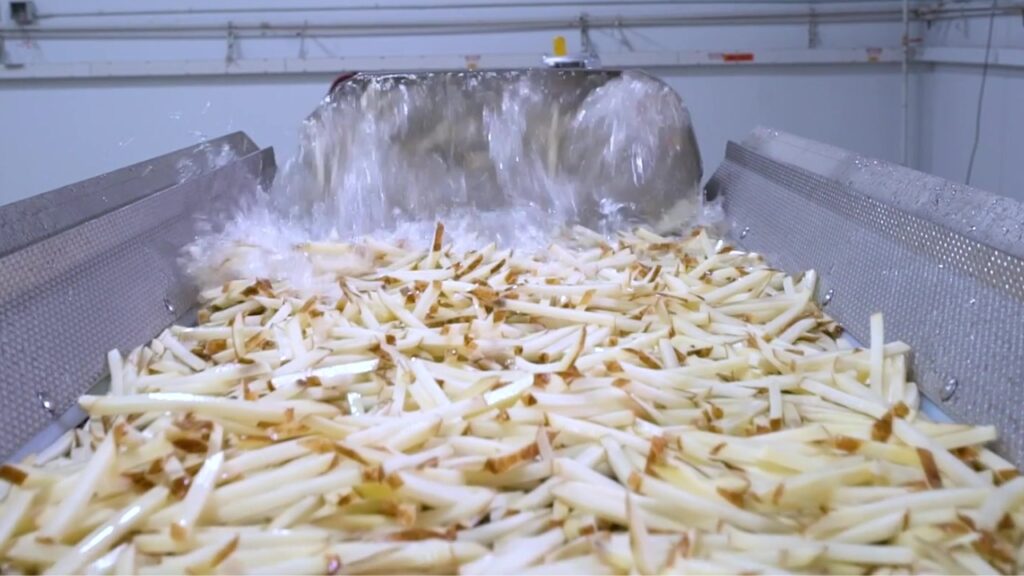
What We Delivered:
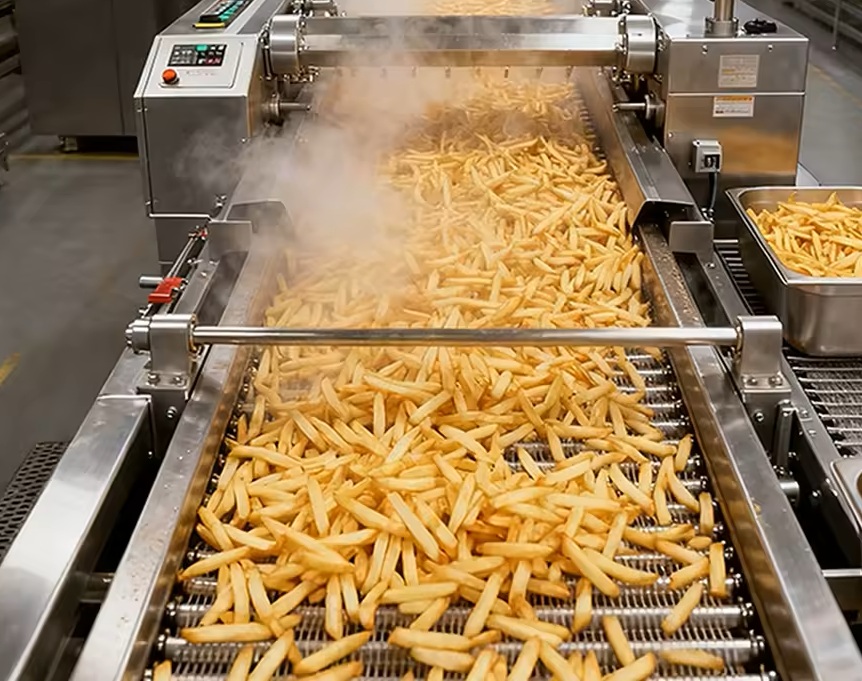
We pinpointed three hard performance breaks: unstable process control driving out-of-spec product into waste or heavy discounting, unmanaged changeovers in warehousing/packaging causing downtime and giveaway, and reactive maintenance with weak preventative routines and work scheduling. Together with operators and supervisors, we reset how the plants were run by introducing a cyclic management system, clear process control standards, capacity-based scheduling, and short-interval control to hold the process on target shift-by-shift. Changes were rolled out in waves to lock in adoption, prioritising frontline improvement ideas throughout, and finished with a practical operating manual and training to sustain the new way of working.The Results:
Waste reduced by 22% and recovery improved by 4% (based on solid content in the finished fried products), delivering a more stable process, fewer losses and stronger throughput performance.Fixing Production & Order Control to Eliminate Late Deliveries and Cut Changeovers
Built a joined-up planning and operational management system linking sales orders, capacity and supply to give teams one clear view of demand and workload.

The Objective:
To stabilise order management by aligning capacity planning, sales order planning and on-time delivery, while reducing internal friction and improving execution.What We Delivered:
We mapped the end-to-end order flow and exposed where planning decisions were breaking down—limited workload visibility, disconnected sales and capacity planning, and supply constraints surfacing too late on the shop floor. Working with planners, supply and supervisors, we designed a new management system that made incoming work visible, prioritised and achievable, with shared routines that forced collaboration around facts rather than firefighting and blame. The result was a team-based operational cadence that aligned planning and production decisions and created reliable commitment on delivery dates.